

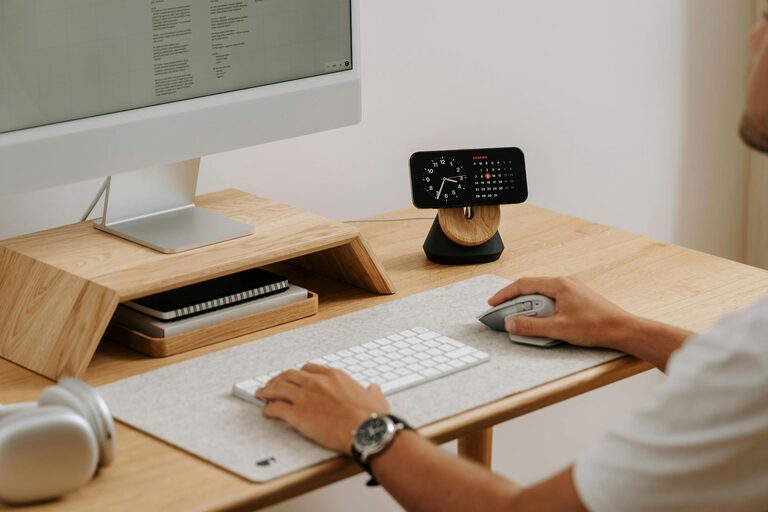
Creating a home office that is both relaxing and productive can seem like a challenge, especially when your living space doubles as your workspace. However, with some thoughtful planning and adjustments, you can design an environment that supports focus while helping you stay calm and comfortable. In this post, we’ll explore practical tips to help you transform your home office into a perfect balance between relaxation and productivity.
1. Choose the Right Location
Find a Quiet Spot
The first step to setting up an effective home office is choosing a quiet, low-traffic area. Avoid spaces near noisy appliances or high footfall areas to minimise distractions. If your home layout limits your options, consider using noise-cancelling headphones or a white noise machine.
Natural Light Matters
Whenever possible, position your desk near a window. Natural light boosts mood and energy levels, making it easier to stay productive throughout the day. Keep blinds or curtains to control glare and reduce eye strain.
2. Invest in Comfortable Furniture
Ergonomic Chair and Desk
A comfortable chair that supports good posture is essential. Look for ergonomic features such as adjustable height, lumbar support, and cushioned seating. Pair this with a desk at the right height to avoid hunching over your work.
Keep It Clutter-Free
Choose furniture with sufficient storage options to keep your workspace tidy. Drawers, shelves or organisers will help you maintain a clean desk surface, reducing stress and improving concentration.
3. Personalise Your Workspace
Add Calming Colours
The colours in your workspace can affect your mood and productivity. Soft blues, greens and neutrals tend to have a calming effect, while brighter shades like yellow can boost creativity. Select colours that feel right for you.
Incorporate Plants
Plants not only enhance your room’s appearance but also improve air quality and reduce stress. Easy-care options like succulents, spider plants or peace lilies make great additions to a home office.
4. Maximise Lighting and Screen Comfort
Balance Artificial and Natural Light
In addition to natural light, ensure you have adequate ambient lighting for early mornings or late evenings. A good desk lamp with adjustable brightness helps prevent eye strain.
Screen Positioning
Position your computer screen at eye level and about an arm’s length away. This setup helps reduce neck strain and keeps you comfortable during extended work sessions.
5. Create Zones for Work and Breaks
Separate Work from Relaxation
If space allows, designate specific areas within your home office for working and relaxing. For example, have a comfortable chair or corner where you can take short breaks, stretch, or read.
Take Regular Breaks
Integrate short breaks into your workday. This can reduce fatigue and help maintain productivity. Use timers or apps that remind you to stand up, stretch, or do simple breathing exercises.
6. Minimise Distractions
Declutter Digital and Physical Spaces
Clear both your desk and computer desktop from unnecessary items and files. Use tools or apps to block non-work-related websites during your working hours.
Manage Notifications
Turn off or limit phone notifications and emails unless essential for work. This helps you stay focused and reduces the temptation to multitask unnecessarily.
7. Keep Necessary Supplies Handy
Organise Stationery and Equipment
Keep frequently used supplies within reach to avoid disrupting your workflow. Invest in desk organisers, cable management solutions, and storage boxes to maintain order.
Prepare Refreshments Nearby
Having a water bottle, tea or coffee nearby encourages hydration and short refreshment breaks without needing to leave your workspace frequently.
8. Personal Well-being Practices
Incorporate Movement
Incorporate simple exercises like stretching or seated yoga into your routine. This helps combat stiffness and keeps your energy levels up.
Manage Temperature and Air Quality
Ensure your office is well ventilated and kept at a comfortable temperature. Using a small fan or heater can help regulate the environment to your preference.
—
Creating a relaxing and productive home office is about finding the right balance between comfort and organisation. With the right setup, your home office can become a place where you enjoy working and feel motivated each day. Making small improvements gradually can lead to big changes in your work habits and overall well-being. Why not start today?