

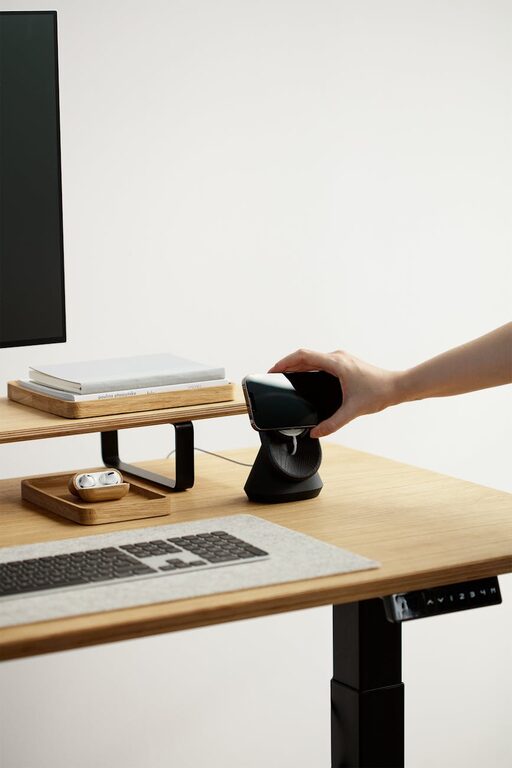
Working from home offers flexibility but also brings challenges, especially when it comes to staying productive while feeling relaxed. Creating a home workspace that balances comfort and efficiency can make a big difference to your daily routine. Here are some practical tips to help you design a space that supports both relaxation and productivity.
Choose the Right Location
Selecting a suitable spot for your workspace is the first step. Ideally, pick a quiet corner away from household noises and distractions. If you can find a room with a door to close off, that’s even better for focusing and signalling work time to others.
Try to position your desk near a window to benefit from natural light. Exposure to daylight can boost your mood and energy levels, helping you stay alert during work hours.
Invest in Comfortable and Supportive Furniture
Comfort plays a key role in maintaining productivity. Invest in a good quality chair with adjustable height and lumbar support to protect your posture. An ergonomic setup reduces strain and helps prevent aches or discomfort during long working sessions.
Your desk should be the right height to allow your arms to rest comfortably when typing. Consider using a desk with enough surface area to organise your essentials but avoid overcrowding.
Keep Your Workspace Organised and Clutter-Free
A tidy workspace promotes clarity of mind. Use storage solutions such as shelves, drawers, or organisers to keep paperwork, stationery, and tech accessories neatly arranged. Label boxes or files to make finding what you need easier.
Try the ‘one in, one out’ rule to prevent clutter from building up – when you bring something new in, remove something unnecessary.
Personalise with Calming Elements
Adding personal touches can make your space more inviting and relaxing. Consider including:
– Plants: Indoor greenery improves air quality and provides a calming natural element.
– Soft lighting: Desk lamps or fairy lights can add warmth and reduce eye strain compared to harsh overhead lights.
– Artwork or photos: Choose images that inspire or calm you without creating distractions.
Avoid overcrowding your space with too many items, as this can reduce productivity.
Set Boundaries and Create a Routine
Establishing clear boundaries between work and home life within your workspace is essential. Use the room or corner exclusively for work to help your brain associate it with focus.
Create a daily routine by starting and ending work at consistent times. Take regular breaks away from your desk to rest your eyes and stretch your body, which helps sustain concentration.
Manage Technology Efficiently
Keep your tech tools streamlined to avoid distractions and improve workflow:
– Use a reliable internet connection.
– Position your computer screen at eye level to prevent neck strain.
– Utilise headphones or noise-cancelling devices if noise is an issue.
– Minimise notifications from non-work apps during working hours.
Consider cable management solutions to keep wires organised and out of sight.
Enhance Air Quality and Temperature Control
A comfortable environment influences productivity. Open windows regularly to allow fresh air to circulate or use an air purifier if needed. Maintaining a moderate room temperature, neither too hot nor too cold, helps you stay focused.
Adding a small fan or heater can help you adjust the temperature easily without disrupting your work.
Utilise Colour to Influence Mood
Colour can affect your mood and productivity. Soft, neutral tones such as pale blues, greens, or greys tend to create a calming atmosphere. If you prefer brighter colours, use them as accents in accessories or decor rather than on walls.
Avoid overly stimulating colours that may increase stress or distract your attention.
Incorporate Movement Opportunities
Promote physical wellbeing by incorporating movement into your routine and workspace:
– Use a sit-stand desk if possible to alternate positions throughout the day.
– Keep a yoga mat or stretching area nearby.
– Stand or walk during phone calls to reduce long periods of sitting.
Regular movement improves circulation and reduces fatigue.
Keep Hydrated and Include Healthy Snacks
Make sure to have a water bottle nearby to encourage regular hydration, which supports brain function. Having healthy snacks like nuts, fruit, or yoghurt at hand can also maintain energy levels without the crashes that come from sugary treats.
—
Creating a relaxing and productive home workspace is all about finding the right balance. By carefully choosing your location, investing in comfort, staying organised, and incorporating personal touches, you’ll build an environment where it’s easier to focus and enjoy your workday. Remember to listen to your needs and adjust your space over time to support your wellbeing and efficiency.