

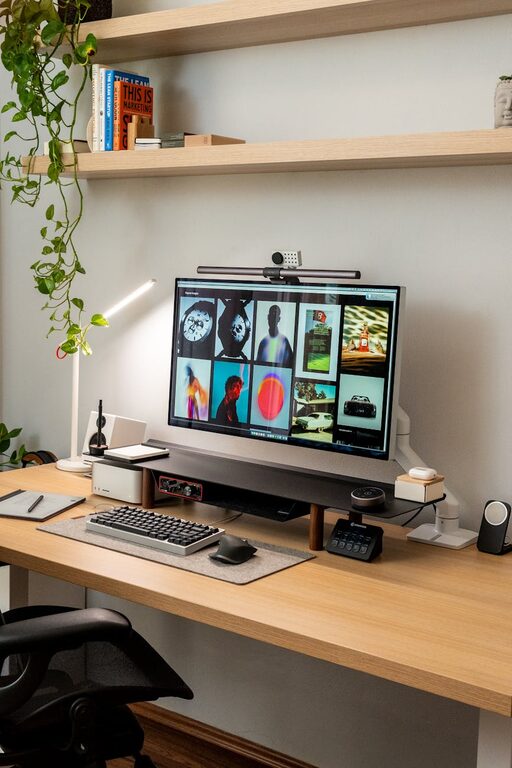
Creating a relaxing home workspace is essential, especially when many of us spend considerable time working from home. A calm, organised environment can improve focus, reduce stress, and increase productivity. The good news is that you don’t need to spend a fortune to create a comfortable and inviting office area. With a few thoughtful choices and some creativity, you can design a workspace that suits your needs without stretching your budget.
Why a Relaxing Workspace Matters
Before diving into the how-tos, it helps to understand why a relaxing workspace makes a difference. A cluttered or chaotic environment can cause distractions and stress, making it harder to concentrate. In contrast, a well-organised, soothing setting helps maintain focus and encourages positive work habits.
Choose the Right Spot
Find Natural Light
Whenever possible, set up your workspace near a window. Natural light can lift your mood and reduce eye strain. If this isn’t an option, opt for warm, soft artificial lighting instead of harsh overhead bulbs.
Consider Noise Levels
Select a quieter area of your home where you’re less likely to be interrupted or distracted. If you can’t avoid noise, consider using noise-cancelling headphones or playing gentle background music to help you focus.
Declutter and Organise
Keep Essentials Only
Start by removing anything unnecessary from your workspace. A minimalist approach helps create a clean visual environment and prevents overwhelm.
Use Storage Solutions
Invest in simple, affordable storage options like plastic drawers, baskets, or wall-mounted shelves to keep documents and supplies organised. Repurposing items like jars or boxes for pen holders can also add charm without added costs.
Furnish Smartly
Prioritise Comfort
You don’t need an expensive ergonomic chair, but ensure your seating supports your posture reasonably well. Adding a soft cushion or lumbar support can make a big difference.
Make Use of What You Have
If a dedicated desk is not within budget, consider alternatives such as a small dining table, a sturdy shelf, or even a repurposed door on sawhorses. A flat, stable surface is key.
Add Personal Touches
Calming Colours
Choose light, neutral colours for your walls and furniture, such as soft blues, greens, or greys. These shades are known to promote relaxation and focus.
Nature Elements
Incorporate plants or flowers, which can purify the air and create a peaceful atmosphere. Succulents and small indoor plants are usually low-maintenance and affordable options.
Artwork and Inspiration
Display motivational quotes, calming artwork, or photos that make you happy but avoid overcrowding. Rotate display items seasonally or when you need a creativity boost.
Lighting Essentials
Task Lighting
Add a desk lamp with adjustable brightness to reduce eye strain, especially when working in the evenings.
Ambient Lighting
Soft fairy lights or candles (real or LED) can add warmth and comfort without using too much energy or money.
Keep it Clean
Make tidying part of your daily routine. A quick five-minute desk clean-up at the end of each day prevents build-up and helps maintain a relaxing atmosphere.
DIY Projects for Personalisation
Handmade Organisers
Use recycled materials like cardboard or jars to create your own organisers, such as pen cups or file holders.
Repurpose Old Furniture
Give a second life to old furniture with a quick coat of paint or some new handles to match your room theme.
Customised Corkboards
Make your own pinboard using cork tiles or fabric-covered sheets – ideal for organising notes or adding colourful visuals.
Budget-Friendly Tech Tips
While technology can boost productivity, pricey gadgets are not necessary to start. Use basic accessories like a wireless mouse or keyboard for convenience.
Keep cables organised with inexpensive cable clips or ties to prevent clutter.
Final Thoughts
Creating a relaxing home workspace on a budget involves planning, creativity, and a focus on simplicity. By prioritising comfort, organisation, and personal touches, you can enjoy a space that supports your work and wellbeing without overspending.
Remember: the best workspace is one where you feel calm and motivated. Start small, be patient, and gradually improve your environment as your budget allows. Your mind (and work) will thank you for it!